Living with chronic pain can feel like a battle you never signed up for. Every day becomes a negotiation—what movements you can tolerate, which tasks you can complete, what plans you must cancel because your body says “not today.” For many people in Bullhead City, AZ, pain slowly becomes the deciding factor for how life unfolds. Maybe you’ve tried medications, injections, rest, or physical therapy. Perhaps you’ve spent years searching for relief that lasts, only to find yourself back in the same place—frustrated, exhausted, and still in pain.
At Silver Creek Pain Specialists, we understand how defeating this can feel. Pain isn’t just a physical experience; it affects your mood, your energy, your relationships, your work, and your perspective on the future. When people arrive at our office, they often tell us they don’t know what else to try. They’ve run out of options. Yet they’re still searching for something—anything—that can help them feel like themselves again.
This is where the conversation between regenerative medicine treatments Bullhead City AZ and traditional pain management options Bullhead City AZ becomes so important. They each have their place, and they each serve different needs. But knowing which one is right for you—your condition, your lifestyle, your goals—requires clarity, honest guidance, and personalized care.
This blog will walk you through both approaches in a real, human way—not from a textbook, but from the perspective of a pain management team who sees patients just like you every single day. We’ll explore what each option offers, when one may work better than the other, and how to decide where to begin so you can finally move toward long-term relief.
Why This Conversation Matters More Than Ever
People often think they must choose between “natural” treatments and “medical” treatments—between advanced medicine and hands-on care. But the reality is that pain is complex, and there is no one-size-fits-all approach.
Some patients need biological repair.
Some need targeted symptom control.
Some need a blend of both.
Yet many people come to us feeling stuck because no one has explained their options clearly. They may have been offered medications but never regenerative therapies. Or they may have tried regenerative treatments without the support of a full pain management plan.
When we are comparing regenerative vs traditional pain treatments Bullhead City AZ, the goal is not to choose sides—it is to help you make an informed, confident decision about your future.
Understanding What Regenerative Medicine Actually Means
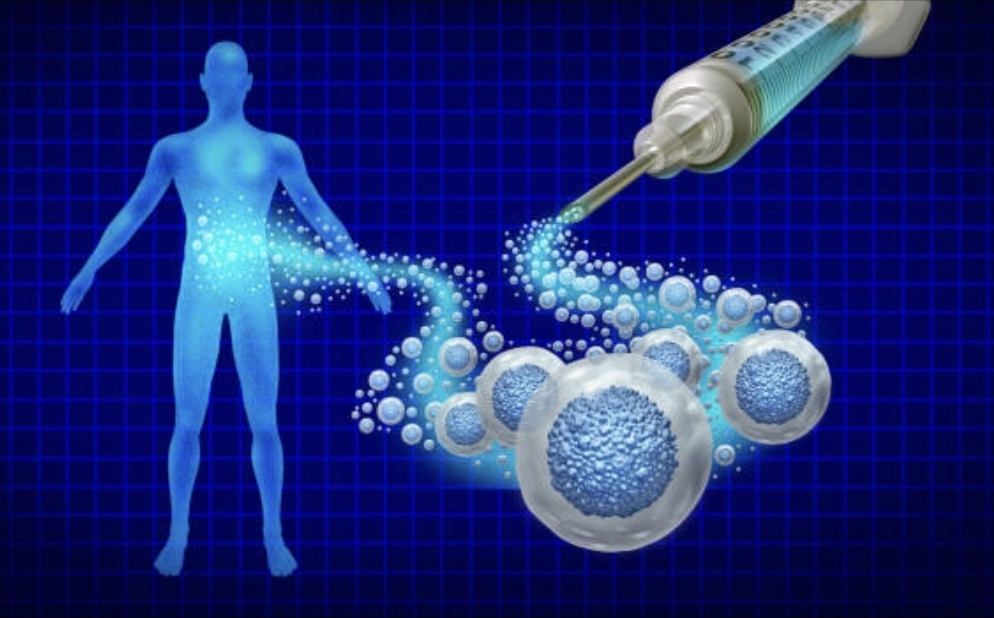
When people hear the term “regenerative medicine,” they often think of futuristic treatments or experimental therapies. But regenerative medicine has become one of the most promising—and well-researched—approaches for chronic pain. It focuses on one simple but powerful idea: helping the body repair itself.
Instead of masking symptoms, regenerative treatments aim to restore function at the tissue level.
These treatments can support healing in:
- Joints
- Tendons
- Ligaments
- Muscles
- Spinal structures
- Nerve-related tissues
Regenerative medicine involves therapies that promote cellular repair, reduce inflammation, and strengthen damaged tissue. While specific therapies vary by provider, the goal is always the same: improve long-term function and reduce pain.
For many of our patients, regenerative medicine offers hope where traditional treatments have plateaued. But it is not a miracle cure—and it isn’t right for every condition or every stage of pain.
Understanding what it can do versus what it should do is crucial.
What Traditional Pain Management Has Always Done Well
Traditional pain management focuses on reducing symptoms, improving daily comfort, and managing pain using well-established, evidence-based medical tools. This includes:
- Prescription medications
- Anti-inflammatory drugs
- Physical therapy
- Steroid injections
- Nerve blocks
- Interventional procedures
- Spinal cord stimulation
- Pain pumps
- Lifestyle adjustments
These treatments play a vital role in helping patients perform daily activities and function safely. They are especially helpful when pain is severe, unpredictable, or significantly impacts quality of life.
Many of our patients begin with traditional treatments because they offer faster relief, and because stabilizing pain is often necessary before regenerative therapies can even be considered.
Traditional care is not outdated—it is foundational. And for certain conditions, it remains the most effective approach.
But how do you know which path to take?
To answer that, you must first understand what your pain is telling us.
How We Determine the Best Approach for Each Patient
At Silver Creek Pain Specialists, we begin with one important question:
“What is the source of your pain?”
Pain is a symptom, not a diagnosis. And unless we understand what’s driving your discomfort, we cannot prescribe the right treatment—regenerative or traditional.
If the issue is inflammation…
traditional treatments like steroids or anti-inflammatories may be appropriate.
If the issue is structural wear and tear…
regenerative therapies may help strengthen tissue.
If the issue is nerve-related…
interventional procedures, spinal cord stimulation, or pain pumps may be more effective.
If pain is linked to muscle imbalance or movement patterns…
physical therapy may be necessary.
If pain is related to long-term degenerative changes…
a blended approach may offer the best results.
You don’t need to make this decision alone. The best treatment plan is discovered through careful evaluation, open communication, and an understanding of your personal goals.
Breaking Down the Benefits of Regenerative Medicine
Regenerative therapies have gained popularity in recent years because they offer something patients deeply want: the possibility of lasting improvement, not just temporary relief.
They target underlying tissue damage
Instead of managing symptoms externally, regenerative treatments stimulate internal healing.
They offer long-term, natural repair
As healing improves, function increases and pain decreases.
They reduce reliance on medications
Many patients want to avoid long-term medications or opioids. Regenerative medicine helps.
They improve mobility
By strengthening the tissues that support movement, patients often regain flexibility, strength, and function.
They are minimally invasive
Healing occurs without surgery or extensive recovery time.
They support other treatments
Physical therapy works better when tissue is stronger.
Interventional procedures work better when inflammation is controlled.
Movement becomes less painful.
Regenerative medicine is powerful—but it requires the right patient, the right timing, and the right clinical plan.
Where Traditional Pain Management Still Leads the Way
Traditional treatment remains essential to modern pain care. Not every condition can be corrected with regenerative therapies, and not every patient is a candidate.
Traditional medicine excels in situations like:
Severe or acute pain
When pain is intense, we often need to stabilize symptoms quickly before deeper treatment can begin.
Pain caused by nerve dysfunction
Nerve pain often requires interventional therapies or medications that target nerve firing.
Complex pain conditions
Some conditions require combination therapies, including injections or device-based treatments.
Pain from cancer or advanced degenerative disease
Regenerative medicine cannot repair advanced cancer pain, spinal cord damage, or systemic diseases.
Cases requiring surgery support
Some patients need traditional care before or after surgery.
Traditional pain management options in our clinic are rooted in proven effectiveness and years of medical science. They are reliable, adaptable, and individualized.
When Regenerative Medicine Works Best
We generally recommend regenerative therapies for patients experiencing:
- Chronic joint pain
- Mild to moderate arthritis
- Tendon and ligament injuries
- Cartilage degeneration
- Persistent inflammation
- Overuse injuries
- Muscle injuries
- Mild nerve-related conditions
These treatments are best for patients looking for long-term repair, not short-term masking.
Patients who do well with regenerative medicine often:
- Want to avoid surgery
- Want to reduce medication use
- Want improved mobility
- Want natural, tissue-level healing
- Value long-term results over quick fixes
If you’re seeking a deeper transformation—not just relief—regenerative may be a strong match.
When Traditional Pain Management Is the Better Fit
Traditional care is often best for:
- Severe or acute pain
- Advanced arthritis
- Chronic nerve pain
- Failed back surgery syndrome
- Cancer-related pain
- Pain requiring interventional procedures
- Pain needing immediate reduction
- Patients who are not candidates for regenerative therapies
Traditional options give us the tools to reduce pain quickly, safely, and effectively while preventing the condition from worsening.
Can You Combine Both Approaches? Absolutely.
One of the greatest misunderstandings is thinking you must choose regenerative OR traditional care. Most of the time, the best results come when we integrate both.
For example:
- Regenerative medicine strengthens tissue
- Traditional therapy reduces inflammation
- Physical therapy improves movement
- Interventional care supports nerve function
This creates a complete system that addresses pain from multiple angles.
Many of our patients achieve the best outcomes when using both modalities at different stages of treatment.
How Our Clinic Helps Patients Decide the Right Path
At Silver Creek Pain Specialists, we take a highly individualized approach to pain. We start by listening—to your symptoms, your challenges, and what you hope to achieve. Then we evaluate what your body tells us: imaging, diagnostic tests, physical assessments, and detailed medical history.
Once we understand what’s happening inside your body and how it affects your daily life, we guide you toward the treatment that makes the most sense.
Our responsibility is not to push one option—it’s to help you make a decision that aligns with your health, your goals, your lifestyle, and your long-term comfort.
What Patients Feel After Choosing the Right Treatment Path
When the right plan is in place, patients often experience:
- Less daily pain
- More natural movement
- Less stiffness
- Improved strength
- Reduced reliance on medications
- Greater confidence
- More energy
- Restored independence
- Better sleep
- A healthier daily routine
The biggest transformation is the ability to participate in life again—not with fear, but with comfort and control.
Your Pain Doesn’t Have to Decide Your Future
Choosing between regenerative and traditional pain care shouldn’t feel overwhelming. You don’t need to do this alone, and you don’t need to feel like you’re guessing. With expert evaluation and thoughtful guidance, we can help you find the direction that leads toward a healthier, more active, and more fulfilling life.
If you’re ready to explore real solutions—whether they come from regenerative medicine, traditional treatments, or a customized blend of both—we’re ready to walk with you.
To take the first step toward long-term relief and personalized care, click here to set up a consultation.
You deserve clarity.
You deserve comfort.
And you deserve a path forward that finally makes sense for your body—and your life.